*** This version of Confluence is for testing only and contains a copy of content from June 29th 2026. No changes will be preserved. ***

 user-8f3f9, last updated on Nov 01, 2013
2 minute read
user-8f3f9, last updated on Nov 01, 2013
2 minute read
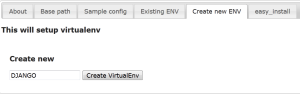
First create a virtualenv environment called "DJANGO". This will be used to associate all Django python modules with the environment DJANGO.
Next click on the "easy_install" tab (after refreshing the browser window).
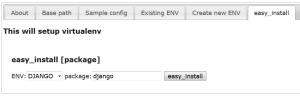
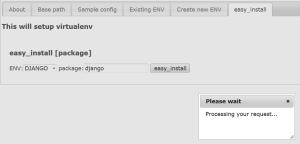
WAIT! Installing via this script can take a long time because it is downloading the software.
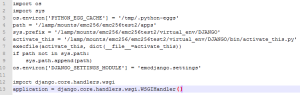
Next you'll want to upload your Django application. You can decide what path works best for you. A suggested name would be a folder called "wsgi_apps". You'll need to create a ".wsgi" that will be used by mod_wsgi. Note that the following example does not follow Django's best practice of placing the ".wsgi" file in a sub-folder called "apache".
The last step is to modify a VirtualHost include file to specify the correct settings for use with mod_wsgi. The following example makes the Django application available under "/django/" , maps media assets to "/static/admin", and makes requests to the "/django/admin/" URL require CU WebAuth.

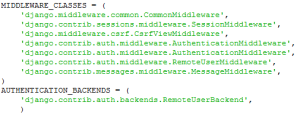
Using Django 1.5 you can configure your application to use CU WebAuth by specifying in your settings.py file (Django documentation):