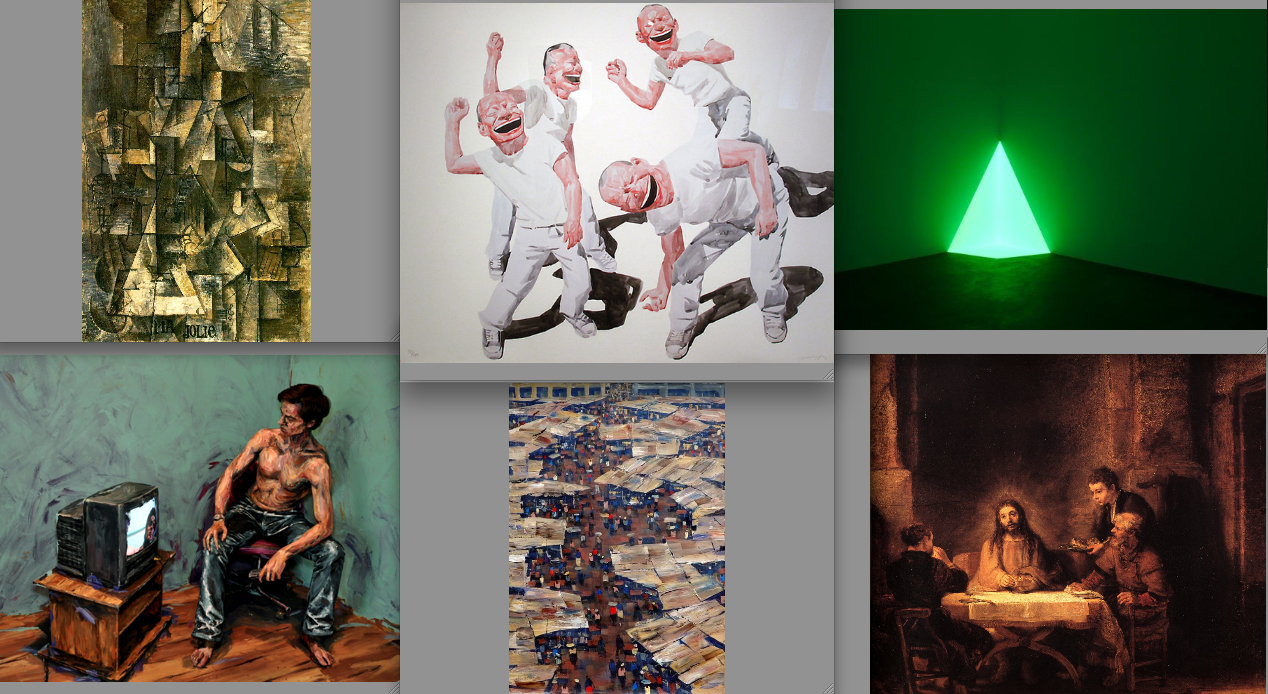
This is an example of works that the fund will invest in. the names of the artist are below:
Art funds are investment vehicles that, like hedge funds and private equity funds, exist to provide substantial commercial rewards to those who provide the capital that allows acquisition of the art and to those who manage the fund. In practice most managers draw on a range of advisers and specialist service providers. The interests of those three entities are not necessarily identical. Although art funds deal with objects that may be described in many ways, it mostly represent unique aspect of a nation or region's cultural patrimony and may be as considered priceless to those fund them. They aim to maximize the rate of return on works in their collection. Sale of works acquired by a fund may occur progressively throughout the life of a fund - with returns being useful in purchase of works that will provide greater returns in future and in securing participation by additional investors. In the reading what I came to understand was that although the market value of particular art work may increase, the market value of other assets will often increase at a greater rate in the long term; for example buying a Picasso or Leger oil in the 1950s would produce a respectable profit when that painting was sold thirty or fifty years later.
If I were to establish an art fund first I will develop some strategic plans. Firstly, I will develop a plan to trade recognized major works, for example paintings from masters such as Pablo Picasso which are recognized to have significant oeuvre and therefore are very likely to appreciate in value faster. In doing this I will have to carefully analyze the market, as there seem to be an uncertain rise and fall in prices of some famous well-known artist. So I am not going to get works just because the artist in famous, but because of the quality and nature of the works of the artist. The second strategy I will take will be to acquire, hold and then sell works that are more clearly undervalued. These will be works by artists who are recognized as important but not on the level of being classified as first rank-it will also include artist who are yet to jump from commercial galleries to more acclaimed national collections and genres. It may seem as a risky strategy, because it is depending on the hope that in some years to come it will sell at higher price, however, it is likely to be more profitable than buying a recognized masterwork and trusting that demand for that work will inevitably push up its value.
In making a design for my fund, I will
My hope is that the system I have proposed will span through the timeline of art and its importance to help bring a better meaning to what art investment funds are all about.
This is an example of works that the fund will invest in. the names of the artist are below: