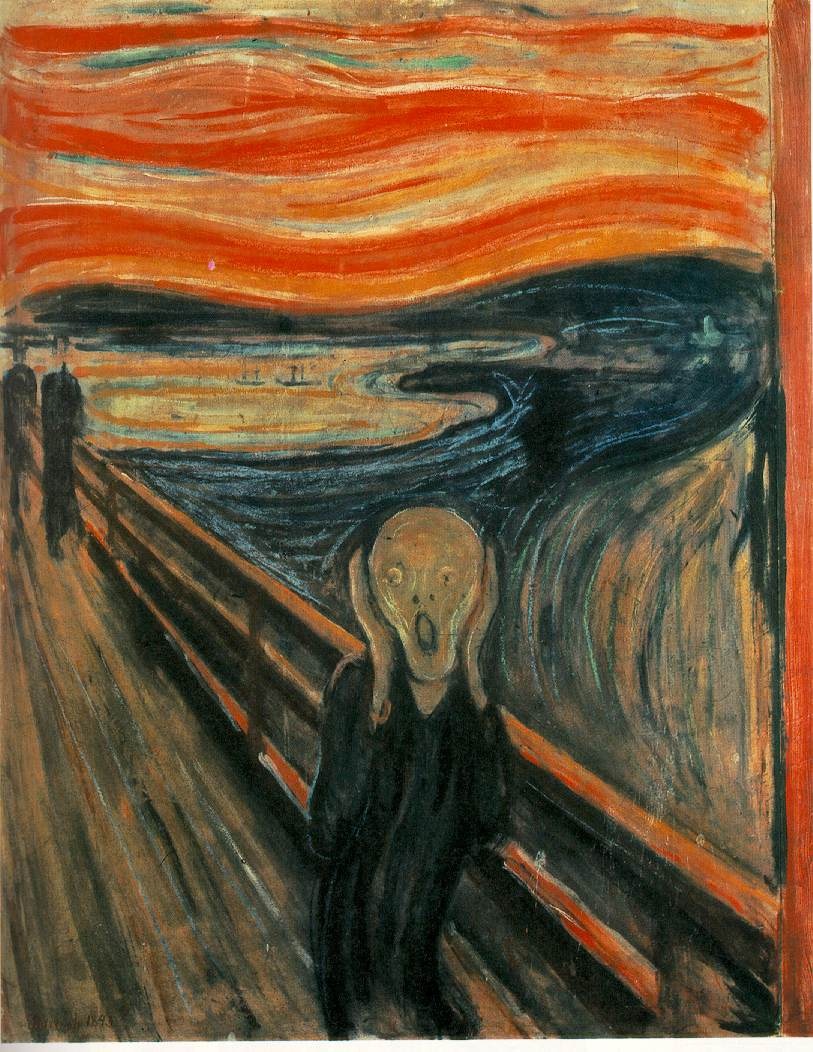
Edvard Munch, The Scream, 1893, oil, tempera and pastel on cardboard, stolen from the National Gallery, Oslo in 1994, recovered later that year.
DAY 12 Today is ThursdaySaturday, June 16January 14,th and we turn to the Illicit Art Market. Most people are familiar with the high-profile theft of the Mona Lisa,
...
http://www.rapeofeuropa.com/theTrailer.aspx
Individual Contributions
| Panel |
|---|
Charles Saunders | Include Page |
|---|
| Day 12 - Charles Saunders |
|---|
| Day 12 - Charles Saunders |
|---|
|
|
| Panel |
|---|
Christina Chaplin | Include Page |
|---|
| Day 12 - Christina Chaplin |
|---|
| Day 12 - Christina Chaplin |
|---|
|
|
| Panel |
|---|
Dalanda Jalloh | Include Page |
|---|
| Day 12 - Dalanda Jalloh |
|---|
| Day 12 - Dalanda Jalloh |
|---|
|
|
| Panel |
|---|
Daniel Chazen | Include Page |
|---|
| Day 12 - Daniel Chazen |
|---|
| Day 12 - Daniel Chazen |
|---|
|
|
| Panel |
|---|
Vincent Anthony Falkiewicz Due to the art market's very unique structure, the economic market for stolen art pieces is very difficult to navigate. It is impossible to tell the validity of the piece. Additionally, unless you're dealing with someone very familiar with art, it is difficult to push a very high price or find anyone with enough money to pay the proper price the piece is worth. However, theft of art with significant political or cultural value can be extremely prominent. This also adds monetary value to the piece later in time. An example of this is the Neue Galerie's Adele Blotch-Bauer portrait, which in June 2006 recorded the "highest sum ever paid for a painting (nytimes)." It could not be confirmed definitely, as mr Lauder the portrait's buyer was not allowed to disclouse the information, but "but Mr. Lauder did not deny that he had paid a record amount for the painting (nytimes)." This purchase surpassed the previous record of the 104.1 million dollars paid for the "Boy With A Pipe (The Young Apprentice)" painting by Picaso bought in 2004. The painting itself was the topic of an extreme political battle after World War II. It was argued by the niece of Adele against the Austrian government for years that this, along with four other Klimt paintings, were seized by Nazi germans during the war. The paintings were eventually given to the niece, and later sold for a record price. Here, we see the significant value increase of such a historical piece as time moves along.
http://www.nytimes.com/2006/06/19/arts/design/19klim.html?ex=1308369600&en=37eb32381038a749&ei=5088&partner=rssnyt&emc=rss http://arthistory.about.com/od/klim1/a/blochbauerklimt.htm |
| Panel |
|---|
Erica Gilbert-Levin The phenomenon of art theft and its consequences highlights several important issues in our exploration of the art market. It underscores the inexorably interdependent, if often conflicting and complicated relationships among art, economics, politics, law/law enforcement, and international socioeconomic conditions. Many thefts of this kind serve as political statements and are perpetrated in the context of war, disenfranchisement, and international or regional strife. A plundering of art work, such as that perpetrated by the Nazis during World War II, may be intended, in line with all the other actions taken by the Nazis, for example, to obliterate a culture in the eyes of the international community; yet – ironically – art theft often serves to raise the profile of the stolen piece and effectively raises its value on the art market. | Wiki Markup |
|---|
The armed robbery of [Edvard Munch|http://en.wikipedia.org/wiki/Edvard_Munch]'s paintings, including a copy of _[The Scream|http://en.wikipedia.org/wiki/The_Scream]_, from Oslo's [Munch Museum|http://www.munch.museum.no/?lang=en] in 2004, was perpetrated by a group of outlaws from Kosovo who had found themselves "on the downside of the global economy and international social development" (Robertson and Chong, 209). This act may have reflected the thieves socioeconomic plight, an outcry, intentional or otherwise, against their falling status. But the theft was also very likely a "distraction crime," a way to get the Norwegian police to back off in their hunt for the murderer of a police officer a few months prior (Robertson and Chong, 208). The painting was recovered when one of the (convicted) thieves betrayed its whereabouts, likely in exchange for conjugal visits (Robertson and Chong, 209). The fact that the police were "very shy about explaining" why the convict agreed to speak underscores the conflict between the motivations of law enforcement and the values of the art world: "The police tend to be preoccupied with catching crooks, not with recovering stolen art. \[...\] The police fail to see art crime as an Achilles heel for a crook who commits other crimes as well" (Robertson and Chong, 210). |
 Image Removed Image Removed
A black and white version of Munch's The Scream
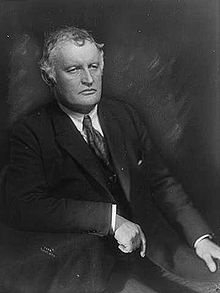 Image Removed Image Removed
Edvard Munch
|
| Panel |
|---|
Kimberly Ann Phoenix I would be funny if it was not a crime, in Madrid thieves stole a truck thinking they were getting goods they could sell for money. What they stole was a truck filled with 35 paintings, belonging to 6 different galleries worth about 7 million dollars. The police found the van the art work was transferred to after a tip from a junk yard who gave the thieves $42.00 for the Eduardo Chillida sculpture, 'Topos IV', worth more then a million dollars. When the police found the van most of the art work inside was still in the shipping crates and undamaged, showing the thieves didn't know what to do with the stole art. Art that is stolen is very hard to sell in the Art market. There is the registry of stolen work that can be check by reputable dealers when works are offered for sale. It is interesting there are those who would steal art for once it is stolen it can never be displayed publicly again without risk of being caught. In this case the biggest question would have to be why was this truck that was transporting art works for six museums left unattended? Was there more to this story that will never be known because someone at a junk yard thought the piece of scrap metal looked like something and tipped off police? Just more questions the Art world may never be able to answer  Image Removed Image Removed
|
|
|---|
Elena Cestero | Include Page |
|---|
| Day 12 - Elena Cestero |
|---|
| Day 12 - Elena Cestero |
|---|
|
|
| Panel |
|---|
H. Hunt Bradley, III | Include Page |
|---|
| Day 12 - H. Hunt Bradley, III |
|---|
| Day 12 - H. Hunt Bradley, III |
|---|
|
|
| Panel |
|---|
June Shin | Include Page |
|---|
| Day 12 - June Shin |
|---|
| Day 12 - June Shin |
|---|
|
|
| Panel |
|---|
Kelly Zona | Include Page |
|---|
| Day 12 - Kelly Zona |
|---|
| Day 12 - Kelly Zona |
|---|
|
|
| Panel |
|---|
Khrystyne Wilson | Include Page |
|---|
| Day 12 - Khrystyne Wilson |
|---|
| Day 12 - Khrystyne Wilson |
|---|
|
|
| Panel |
|---|
Kwame Nana-Atoo | Include Page |
|---|
| Day 12 - Kwame Nana-Atoo |
|---|
| Day 12 - Kwame Nana-Atoo |
|---|
|
|
| Panel |
|---|
Lipei Yu | Include Page |
|---|
| Day 12 - Lipei Yu |
|---|
| Day 12 - Lipei Yu |
|---|
|
|
| Panel |
|---|
McKenzie Sullivan | Include Page |
|---|
| Day 12 - McKenzie Sullivan |
|---|
| Day 12 - McKenzie Sullivan |
|---|
|
|
| Panel |
|---|
Nicholas Krislov | Include Page |
|---|
| Day 12 - Nicholas Krislov |
|---|
| Day 12 - Nicholas Krislov |
|---|
|
|
| Panel |
|---|
Tadd Phillips | Include Page |
|---|
| Day 12 - Tadd Phillips |
|---|
| Day 12 - Tadd Phillips |
|---|
|
|
Consider & comment:
Please use this space to respond to your classmates' work and to engage in lively discussions on the day's topic. Keep your comments concise and conversational by responding to others, rebutting or supporting their ideas. Use the comment box below for these observationsConsider & comment:
What did you think of today's readings and wiki features? What issues if any did they raise for you? How did the audio visual material provided support your understanding of this topic? Comment on your classmates' posts. Leave your comments in the box below.

