*** This version of Confluence is for testing only and contains a copy of content from June 29th 2026. No changes will be preserved. ***

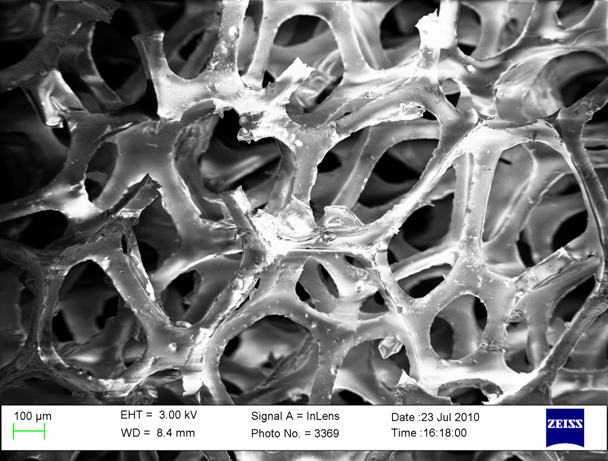
Numerous techniques of water filtration are in use today, most of which involve the use of sand as the porous media. A preliminary literature review revealed a dearth of information on foam filtration. Our team has decided to focus on investigating the actual filtering capacity of a polyurethane foam material as opposed to the traditional method of sand filtration. With proper implementation, a foam filter could reduce the amount of water that is wasted during the backwash cycle of a traditional sand filter. A foam filter requires less surface area, and could potentially be less expensive to build than a traditional sand filter. However, a foam filtration unit will also require a tight seal with all of the edges of the tank, in order to avoid preferential flow paths which will result in unfiltered water. In addition, a foam filter will likely require manual maintenance by the plant operator.
...
| Section | ||||||||||||||||||||||||||||||||||||||||||||||||||||||||||||||||||||||||||||
|---|---|---|---|---|---|---|---|---|---|---|---|---|---|---|---|---|---|---|---|---|---|---|---|---|---|---|---|---|---|---|---|---|---|---|---|---|---|---|---|---|---|---|---|---|---|---|---|---|---|---|---|---|---|---|---|---|---|---|---|---|---|---|---|---|---|---|---|---|---|---|---|---|---|---|---|---|
*PPI stands for pores per inch, which is a linear measurement of foam pore size. A larger pore size number (i.e.60 ppi) corresponds to a smaller pore size.
|