*** This version of Confluence is for testing only and contains a copy of content from June 29th 2026. No changes will be preserved. ***

...
| Conservative | Empirical |
|---|---|---|
Filter Square Side | 1.5m | 1.5m |
Filter Height | 3.95m | 2.56m |
Clear Well Diameter | 6m | 6m |
Clear Well Height | 1.37m | 1.23m |
Below are rough proportional sketches of the plan view and side view representations of the clear well and two filters that we propose to build from the conservative design. These are pictured in relation to the flocculator and sedimentation tank at Agalteca.
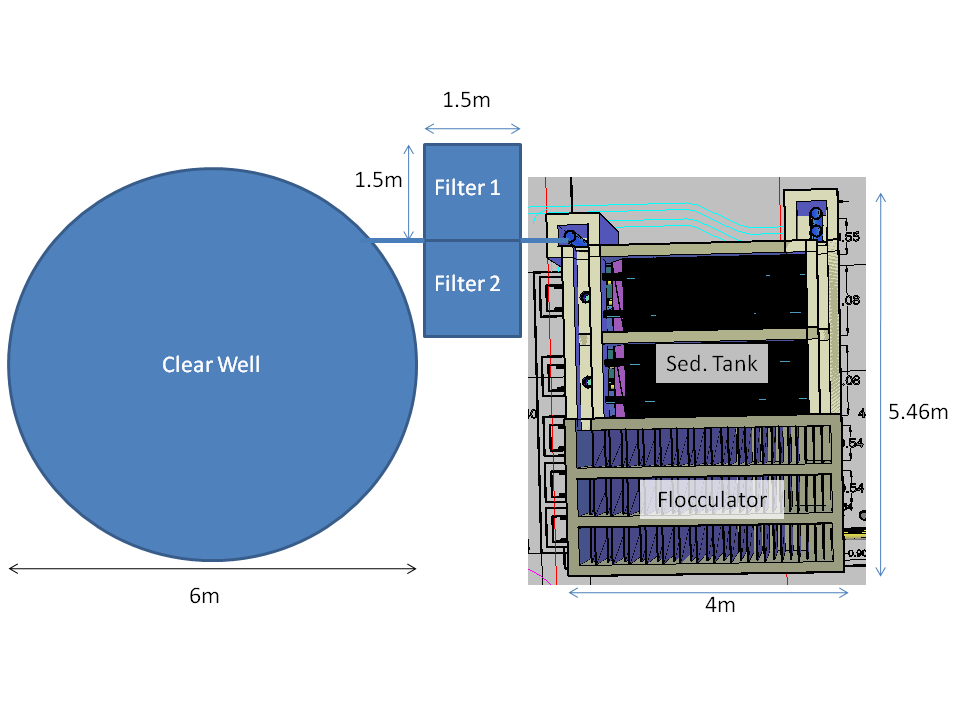
Figure 2: Plan View of Agalteca Plant with Filter Design
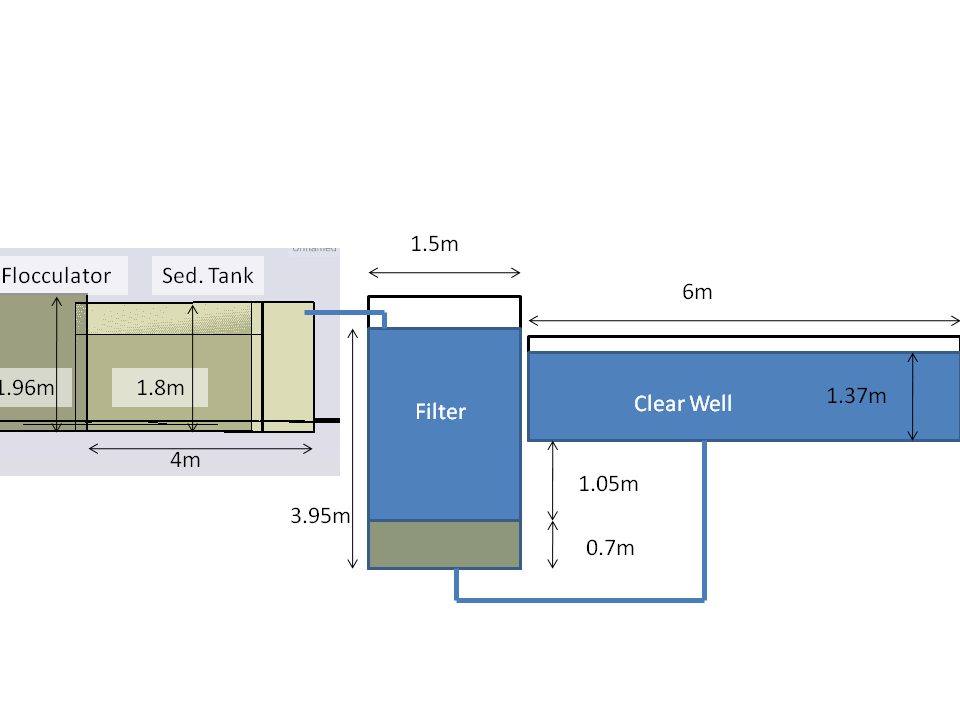
Figure 3: Side View of Agalteca Plant with Filter Design
1) Our design based on simple hydraulics will work. However, it is a very large filter (see exact dimensions in Figure 2) and will not be sustainable economically. The material cost for construction will be too high.
2) The design based on the empirical Weber equation is smaller and less expensive. However, the validity of the empirical equations is not yet certain, in spite of our Fluidization Velocity Experiment. Therefore more testing needs to be done in pilot scale models.
3) If the empirical equations are valid, then we can change parts of the design, by changing the sand parameters. For example, lower the dimensions of the clear well by lowering the backwash velocity by decreasing the d60 and specific weight of the media. (see Fluidization Velocity Experiment for more specifics)
Experiment Results
We had mixed results with regards to Weber's equation for filter bed expansion. At low levels of filter bed expansion, the Weber equation accurately predicted the fluidization velocity required to achieve the targeted bed expansion. As the target bed expansion increased, so did the degree of error. At 9% expansion, the degree of error was at 14%. At 30% expansion (our target expansion), the degree of error was 110%.
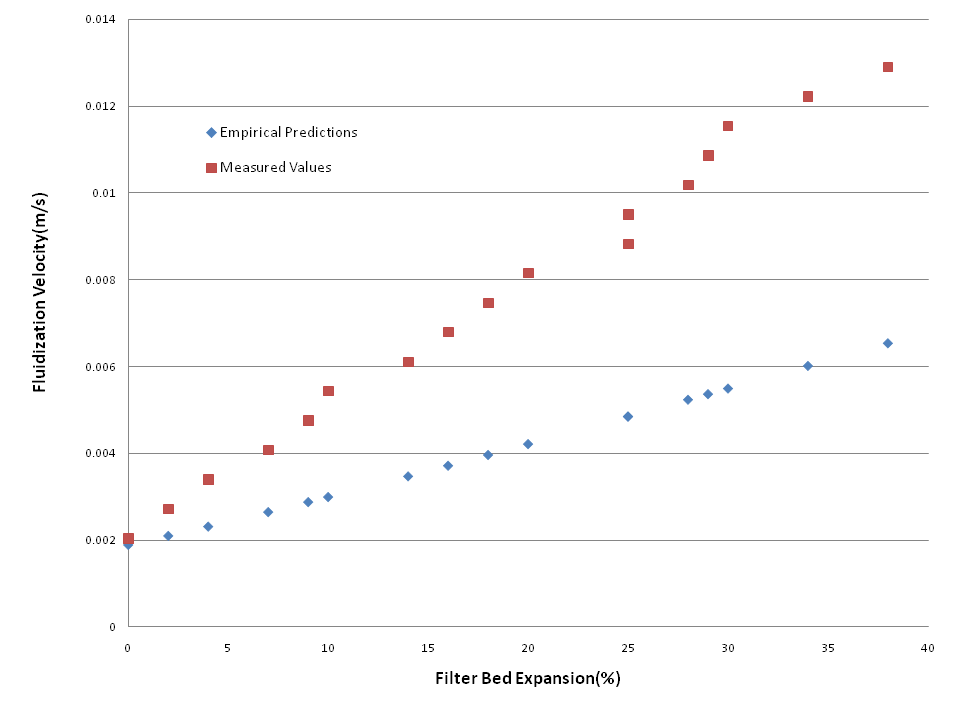
Figure 4: Error Between Measured and Estimated Fluidization Velocities
...